
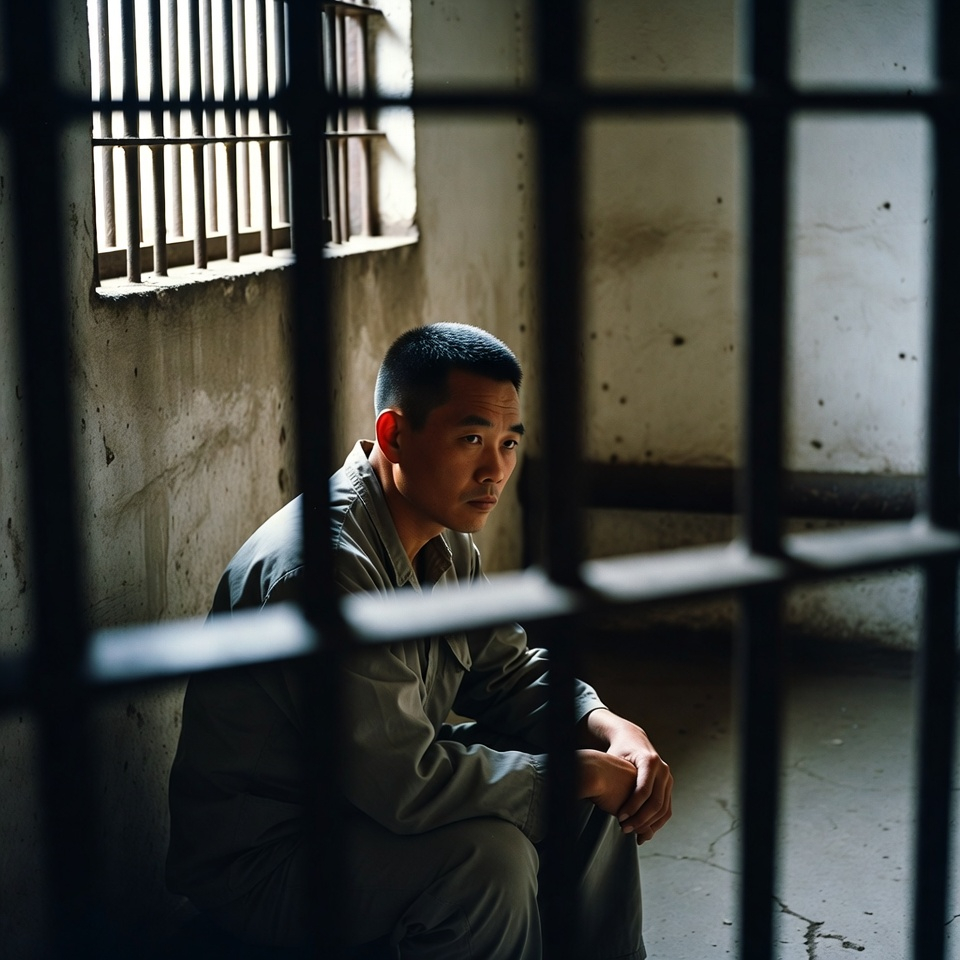
Jail time as medicine for criminals
Medicines are supposed to treat illnesses. Contrary to what the cynics might say, it’s only on rare occasions that they do more harm than good.
What about another kind of “medicine” called prison? I don’t have enough data to come to a scientific conclusion, but a recent encounter seems to suggest that prison may make people worse; not better.
I met this guy (let’s call him D) just before he was to be sentenced to a jail term. He came across as one of the nicest and most honest guys I’ve met. He was deeply repentant and wished he could go back in time and undo all the damage he had done. He even tried to make amends and swore that he would never go down that path again. Nobody who met him then would have believed that he had cheated and committed fraud.
We met again after he was released from prison and what a shock he gave me. Gone was that nice and honest guy. He became sneaky, dishonest and manipulative, careful not to break the law (so as not to go to jail again) but also eager to make up for lost time with selfish, unethical moves that betray a friend’s trust. Let’s take a look at what might make D seem so angelic during the pre-jail period.

I think the keyword here is stress. D was acutely aware that he would go to jail. It was a matter of time. But he was still on the outside, dreading to go in. Could a miracle happen and he got spared? Unlikely but still possible. What would have increased his chances? His best behaviour. People in high-stress legal situations often experience genuine emotional distress and temporary self-reflection. Sometimes, even people who are not religious get down on their knees and pray, promising that they would not even dream of committing the crime if the hands of the clock could be turned back.
Once these folks get incarcerated, the stress subsides. They are locked up and every day is just like any other day. No more uncertainties. All they can do is to count the days. Their prayers and promises to their god fade away. The stress and anxiety before going to jail coaxed the angel out of them. The remorse we saw earlier could have been genuine, but it’s not permanent! This leaves me wondering: was jail time really be the medicine that cured the reformed criminals? Sure, many of them don’t go back to their old ways but with no disrespect to our prison officers, it’s not because of their guidance and counselling. Deterrence works but jail time doesn’t imbue people with the right values. It’s all about deterrence and nothing else.
Some people have suggested the “school of crime” effect: Prisons provide plenty of networking opportunities for people with criminal experience. Inmates often share techniques, contacts, justifications for crime and ways to minimise risk of getting caught. Peer influences reinforce criminal capital, especially for non-violent white collar crimes like fraud.
Thinking back of how honest and trustworthy D was before he went to jail, wouldn’t it be nice if we could keep criminals like D in the pre-jail state indefinitely?
